
Home Blog Page 14627

As Good News Flows Out, Smart Money Flows into Juno Therapeutics

juno

At the beginning of this month, in an interview with Bloomberg, AstraZeneca (NYSE:AZN) Chief Executive Officer Pascal Soriot said that, in an attempt to gain exposure to the current boom in CAR T treatment for oncology, he would certainly consider acquiring a company like Juno Therapeutics Inc. (NASDAQ:JUNO) . The full quote is below:

“If at some point we conclude we need to make an acquisition, we certainly would consider it, there’s no question about it.”

On release of the the statement, Juno stock gained nearly 7% during the day’s New York session, but has since declined to trade relatively flat as compared to pre-statement levels. While this is an example of the media driven volatility we often see in the biotech space, it has drawn a number of investor eyeballs to consider Juno’s potential, and question whether it could a) become a potential acquisition target for current incumbents looking for exposure, or b) expand to become a blockbuster in the oncology space on its own. Since Soriot laid his cards on the table, we have seen a number of updates worth highlighting regarding Juno and its ongoing pipeline, and so the question for today is, what are these updates, and – in light of their implications – is Juno undervalued at its current market capitalization? Let’s take a look.

First, let’s have a quick look at what Juno is working on so we can get an idea of the market potential for its pipeline. The company is a development stage biotech company that develops cellular immune therapies on two distinct and complementary platforms. The first is what’s called chimeric antigen receptors (CARs) and the second, T-cell receptors (TCRs). Both types of technology are used to target cancer cells, and once targeted, activate the T cells, CARs and CARs in the human’s own immune system to attack and destroy cancerous cells. It is the former of these two different types of technology – the CAR-T technology that is currently a hot topic in oncology. The science behind it is pretty complicated but it can be simplified by saying that the antigen receptor uses what’s called a single chain variable fragment, or scFv, to recognize a protein of interest. The scFv comes from an antibody that will automatically recognize a target protein on a cancer cell, and, when binded, triggers a T-cell response. There are lots of different types of T cells in the human immune system, but these ones serve to flag up the cancer cells so that other T cells in the immune system can destroy them.

So what have we seen that plays in Juno’s favour over the last few weeks? Well, first of all, we saw an initiation of coverage of Juno therapeutics by well-known research organization Maxim Group. Maxim initiated coverage when Juno was trading at $51 per share back on June 17, and pinned a buy rating with a $78 price target on the biotech. For reference, Juno is currently trading at $49 a share. Among other things, the organization puts the complete response rate of up to 91% seen in clinical trials to date, and the potential for CAR approval by early 2017 as primary drivers behind its initial rating. The price target comes without consideration of potential acquisition by a company like Astrazeneca, and – therefore – looks conservative from an optimist’s perception.

Second, we heard on June 16, 2015, that billionaire investor and fund manager George Soros had expanded his position in Juno. For those not familiar with Soros, he is the brains behind the Quantum fund, famous for achieving returns that exceeded 30% per year during the late 70s and 80s. He is also famous the shorting the UK sterling ahead of Black Wednesday and netting more than $1 billion on a single trade. Anyway, back to the present, in mid-June this year, we learned that over the last reported quarter (Q1 2015) Soros had increased his overall position in Juno through his fund “Soros Fund Management” by more than 300% to reach approximately 105,500 shares – or in dollar terms – $6.4 million. Now, for a company worth $4.62 billion as Juno is, this doesn’t seem – on the face of things – like a particularly large position. However, it is the growth in position size that we are looking at primarily, and – a 300% expansion in any position size is a vote of confidence. Further, a vote of confidence from one of the world’s leading investors.

So, what’s the takeaway? Well, things look to be going well for Juno. We have a number of key data releases scheduled throughout the latter half of this year, and these could prove medium-term momentum drivers for those looking for a speculative entry on news driven volatility. However, looking longer-term, recent releases and the potential for a mega cap acquisition seems to suggest that the good news continues to pour out of Juno, while the smart money looks to be getting in.

Story continues below

Tekmira’s Ebola Drug Out Of the Race; Who’s Left in?

Tekmira

On June 19, 2015, Canada-based biotech company Tekmira Pharmaceuticals Corporation (Nasdaq:TKMR) gave markets an update on its phase 2 clinical trial of TKM-Ebola-Guinea. The treatment and its trial – a reformulation of another one of its Ebola treatments designed for use in Sierra Leone, has led to close scrutiny of Tekmira stock throughout the duration of the Ebola crisis that still continues to kill thousands in West Africa daily. As a result of this scrutiny, and as outbreaks have spread and things have gotten worse, Tekmira shares have bounced up and down on event driven volatility. Now, unfortunately, it looks as though Tekmira and its TKM-Ebola-Guinea the repeated will not be hitting markets anytime soon, and while this is a great shame for West Africa as a whole, it has also translated to some downside momentum in Tekmira shares. On June 18, 2015, the company closed out at a little over $15. By market close on June 22, the company was trading at a little over $13 – a 12% decline in just two trading days. With this said, what is the drug in question, why did it fall down, and what can we expect moving forward from the Ebola therapeutic space in general?

First, let’s have a quick look at the science behind the treatment. Tekmira’s TKM-Ebola is a combination of small interfering RNAs, which, simply put, inhibit the expression of a specific and home town beatable gene in a particular nucleotide sequence. By doing this while targeting certain genes in patients suffering from Ebola, Tekmira hypothesized that it could use the drug to treat sufferers in West Africa. The treatment has had a rocky ride so far. In January last year, Tekmira kicked off with a phase 1 trial of TKM-Ebola, the precursor to TKM-Ebola-Guinea, but the trial was put on hold just six months later by the FDA as a number of patients experienced flulike responses. A month later the FDA change this to a partial hold, meaning that the drug could be tested in people with the Ebola infection, but the phase could not continue in its current form. In April this year, and bullied by a $140 million contract with the US Department of defense, the trial resumed. With regard specifically to the trial in question, the company developed this second inference of its Ebola treatment last October, and has been trialing it since. However, as the recent release details, the trial reached a predefined statistical endpoint (about which we do not yet have details and for which we will have to wait until full results are released), with the endpoint indicating that “continuing enrolment was not likely to demonstrate an overall therapeutic benefit”.

It is this last statement that translated to a tanking of Tekmira’s market capitalization, and that will likely continue to weigh on the company’s value as we head into the middle and latter half of this week. Alongside the announcement, Dr. Peter Horby, Chief Investigator on the study, had this to say:

“It is a great tribute to the team in Sierra Leone that the trial has been run so efficiently and that we now have substantial experience on the use of TKM-Ebola-Guinea in patients with Ebola. While the trial has reached a statistical endpoint, final conclusions on the efficacy and tolerability of the drug must await full analysis of the data.”

So what do expect going forward? Well, GlaxoSmithKline (NYSE:GSK) and Merck (NYSE:MRK) currently have ongoing phase 2 trials in Liberia, while Johnson & Johnson (NYSE:JNJ) has a mixed data trial ongoing in Sierra Leone. In addition, BioCryst Pharmaceuticals (NASDAQ:BCRX) announced at the end of March that it had one in 18 month trial $.1 million contract from the US government to advance its drug BCX4430, currently being tested in early stages on healthy volunteers. What does this mean? Well, that there are yet more promising candidates for Ebola therapeutics despite the recent setback from Tekmira. However, increasingly, these aforementioned are willing into issues. The biggest of which – while this doesn’t seem like an issue short-term – is that the rate of infection is declining in West Africa. This is excellent news for those currently affected by the outbreak, but it means that the company is searching for a cure or vaccination have a dwindling pool of potential candidates, and are therefore failing to reach recruitment targets as predefined by their trial outlines. Again, short-term, this is great news and as a result of the hard working medical professionals in the region. However, with so much resources dedicated to Ebola and a potential vaccination over the last 12 months, it would be a shame to lose focus now.

So, what’s the takeaway? Well, just because Tekmira has announced that it will likely not be continuing its trial of TKM-Ebola-Guinea, it is not the end of the line for a potential Ebola treatment. There are a number of other pipeline treatments under trial from both incumbent and younger companies, many of which have government backing from the US. If these treatments can find a candidate base for trial completion, the event driven Ebola space could be one to watch as we head into the second half of 2015.

Story continues below

Opko Shorts Should Know That For Every Short Seller, There’s a Buyer

Frost Opko

If you invest on the short side, it is generally considered sensible to do so when a stock is at its highs. But there’s one other criterion that needs to be met before shorting at a high can succeed. That is, there must be no reason, or at least very little reason, why shares of a particular stock are rising at all. If they’re rising for a reason, they will likely keep doing so, squeezing shorts on the way.

Opko Health (NYSE:OPK) may fit the first condition of being at or near its highs, but it does not fulfill the second. Those short Opko don’t seem to mind all that much, being that 44.92M shares are currently held short, constituting 67% of the float. That’s about a million more shares than last month, representing over $15M in capital spent on shorting the stock in one month, at least.

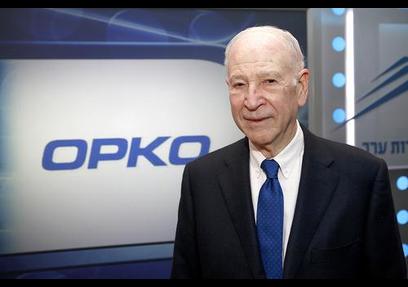
While shorting itself may tend to discourage some retail investors from taking a position, institutional investors as well as company insiders are usually astute enough to know that for every short seller, there is a buyer of those shares on the other side. Close to 70% of Opko’s float is held by either insiders or institutions, and it is doubtful that any of those shares will be put on the open market any time soon. And even if some are, the company’s founder and CEO, Dr. Phillip Frost, is picking shares at the same pace that shortsellers are borrowing them to sell.

As mentioned, about one million shares have been sold short in one month (1,050,000 to be exact). In that same timeframe, counting from May 13, Dr. Frost has picked up a total of 990,662 shares. The ongoing battle is almost one to one, and could very well exceed that ratio any day as Frost has been buying shares nearly every day this month.

Aside from Frost absorbing nearly all the short bets himself for a month, the fundamentals behind Opko continue to strengthen. Besides having deep pockets, if you know a little about Frost’s history, the fact that Opko remains near its highs specifically now is no surprise.

By the tone of Opko’s last conference call, it’s apparent that Opko’s Charles Bishop, CEO of the Renal Division, is practically certain that the company’s lead drug candidate Rayaldee will be approved. A new drug application was submitted at the end of May already, and from this point it should take another 11 months maximum for official FDA approval. Rayaldee’s target patient population is the estimated 84,000 patients per year in the US that are diagnosed with secondary hyperparathyroidism due to vitamin D insufficiency, most of whom are on or near dialysis. The estimated market size is $12B. Here are some of the more telling lines during the call:

Rayaldee has been clearly shown in four clinical efficacy studies to correct vitamin D insufficiency in virtually every treated patient. The response rates are essentially maximum. These studies taken together also show that effective and long term correction of vitamin D insufficiency causes a gradual but progressive reduction in elevated parathyroid hormone levels with increasing numbers of patients achieving the ultimate outcome which is normal parathyroid hormone levels…

Rayaldee’s gentle efficacy is unaccompanied by any significant side effects. In fact, the adverse event profile for the product is essentially the same is that for parallel administration of placebo. Most surprising, Rayaldee’s efficacy is unaffected by the progressing of kidney disease.

There was also one more paragraph that should ring some bells for those more familiar with Dr. Frost’s early career. 40 years ago, Frost bought Key Pharmaceuticals and helped get its lead asthma drug Theo-Dur approved by removing its cough suppressant, putting it in a capsule to control release instead of administration via inhaler, and most importantly, marketing the drug directly to doctors with technical material rather than lay marketing to consumers.

With that in mind, this paragraph is telling (emphasis added):

As you know our intention is to sell Rayaldee with our own dedicated sales force that will be targeting nephrologists and endocrinologists. In parallel with that effort, we have a lot to do to prepare for marketing of Rayaldee. Those preparations line areas of assembling the right message together to nephrologists and endocrinologists, so that uptick of the product is accelerated. We also have significant work to do with the payers in order to make sure that we can have Rayaldee on the formulary as quickly as possible. And we are also contemplating beginning more development efforts to expand the approved indications for Rayaldee and one of those is already going as I mentioned in the oncology area.

This outlines the play-by-play plan of a company that is confident, organized, targeted, and ready to hit the ground running. Its marketing plan is falling into place a year in advance, and it worked for Frost in the past. Opko believes it will work again.

In terms of balance sheet risk, that used to exist for Opko before last December when it announced a payment of $295M from Pfizer for its Long-Acting Human Growth Hormone. That prevented dilutive financing, and was basically the equivalent of an investor purchasing $295M of stock in the middle of a short position. Opko now has close to $400M in current assets and over $1.5B total. Its quarterly burn rate over the past year is only $60M, which means it has nearly two years of capital, well within the time Rayaldee should hit its potential $12B market running.

Its recent acquisition of Bio-Reference Labs (NASDAQ:BRLI) had the predictable effect of knocking Opko shares down a bit, but that is typical on an all-stock transaction like this. Bio-Reference absorbed that market value, as the two stocks look like mirror images since the acquisition. This means that the market has not valued Opko any less since, despite share dropping. That value was merely transferred over to Bio-Reference labs. Eventually the two stocks should start trading together again, signs of which are evident even in the last few days. Additionally, the Bio-Reference acquisition works well with the release of Opko’s diagnostic platform including 4Kscore and Claros 1, which can take advantage of Bio-Reference’s specialties in marketing diagnostics. This is probably why Opko bought the company specifically now.

All this considered, there is little evidence that the market is valuing Opko any less despite a heavily shorted float, or even its acquisition of Bio-Reference Labs. If that market value was not transferred over to Bio-Reference shares which will eventually be merged in to Opko anyway, OPK would still be at its high. Shorting a company with a potential blockbuster within a year of approval that has completed phase 3 with flying colors is quite a risky bet, especially when that company’s CEO has been personally absorbing nearly the entire shorted float over the last month alone.

Market Exclusive Is a financial portal geared to engaging discussion on current financial topics. Market Exclusive is not an investment advisor. Please read our full disclaimer at http://marketexclusive.com/about-us/disclaimer/

Story continues below

Aerie Soars on FDA News: Here’s Why

Aerie Pharmaceuticals

On April 23, 2015, Aerie Pharmaceuticals (NASDAQ: AERI) reported that the company had missed its primary endpoint in its phase 3 registration trial for Rhopressa, a novel once-daily triple action eye drop targeted at lowering intraocular pressure in glaucoma patients or patients with ocular hypertension. The trial missed despite the endpoint being nothing more than non-inferiority when compared to a twice-daily treatment of current standard of care timolol, a drug marketed and sold by Oak Pharmaceuticals, Inc., A subsidiary of Akorn, Inc. (NASDAQ: AKRX). On the news, the company’s stock collapsed as investors rushed to reduce exposure to a trial that Aerie executives had played up as being pretty much a sure thing just a couple of weeks before. This week, however, the companies announced that it will be restarting a fresh trial (phase 3) with the same primary endpoint (non-inferiority) but with one key difference. This time around, the study is “to include patients with baseline intraocular pressures ranging from above 20 mmHg (millimeters of mercury) to below 25 mmHg. The former range for the primary endpoint of above 20 mmHg to below 27 mmHg will now represent a secondary endpoint range for Rocket 2.”

So, with all this said, what is the treatment in question, how does it work, and what can we expect from the upcoming trial? Let’s take a quick look.

Rhopressa, as mentioned, is a daily eye drop used to treat ocular hypertension. It works by inhibiting what’s called Rho Kinase, which is a kinase involved primarily in regulating the shape and movement of cells through the cytoskeleton in the eye. By inhibiting this kinase, Rhopressa is able to increase fluid outflow through the structure responsible for fluid drainage in the eye – the trabecular meshwork. Basically, this is a complicated scientific way of saying that the treatment drains fluid and – in doing so – reduces pressure in the eye.

So why are we seeing the share price boost at the moment? Well, markets are perceiving the new and altered primary endpoint as more achievable than the previous failed endpoint. In the previous trial, the treatment demonstrated success in the range that now serves as the primary endpoint that – if demonstrated again – will render the trial successful. This range is 20 mmHg (millimeters of mercury) to below 25 mmHg, compared to the previous range of above 20 mmHg to below 27 mmHg, the latter of which now serves as a secondary endpoint in the trial.

Vicente Anido, Jr., Ph.D., Chairman and Chief Executive Officer of Aerie reported confidently on the announcement, stating:

“We are extremely pleased with the outcome of our communications with the FDA. If Rocket 2 results resemble those of Rocket 1, we believe we may have a much greater opportunity for success in meeting the clinical endpoint of non-inferiority to timolol. We are also very appreciative of the thoughtful guidance provided by the FDA, and believe their feedback will prove very useful as our programs progress. Looking ahead, we expect to commence our next Phase 3 registration trial for RhopressaTM, named Rocket 4, in the third quarter of 2015. Rocket 4 is expected to be established with a primary endpoint range of above 20 mmHg to below 25 mmHg.”

So, with all this said, what can we expect going forward? Well, we will be looking for the results of the upcoming trial to mirror those for the range that achieved success in the first trial. Data released purporting to this success could be the primary driver in Aerie shares over the coming 12 months, and – despite the run-up we have seen over the last 24 hours in the company’s share price – they’re still looks to be an opportunity to buy in at what currently looks like a discount rate. Ocular hypertension is a billion dollar market, and if approved, revenues from the treatment (especially if it can show superiority over current standard of care) could outnumber Aerie’s current market by a factor of two to one. From a technical perspective, $25 flat will likely provide a bit of resistance, but if we get a break above that we could see a run towards yearly highs just ahead of $35 on any positive news.

Story continues below

Another Win for RedHill – What’s Next?

Redhill

At market close on Monday, June 15, Israel-based biopharmaceutical company RedHill Biopharma (NASDAQ:RDHL) announced the results of a phase 3 study of its lead candidate RHB-105 for H. pylori Infection. The results were overwhelmingly positive, with RedHill reporting that the topline data demonstrated the successful meeting of the trial’s primary endpoint, and – as a result – we saw a 16% increase in the company’s market capitalization during the day. With this said, what are the details and implications of the trial for RedHill going forward, is the percentage increase justified, and is it too late to take a position in expectations of further gain?

First, let’s take a quick look at the treatment candidate and the science behind it. RHB-105 is a fixed dose oral, combination therapy, meaning it incorporates two different types of treatment. The first type consists of two different antibiotics, rifabutin and amoxicillin, which most of you will already have heard of. These work to eradicate a bacteria called H. pylori, which plays a critical role in gastritis, peptic ulcers and gastric cancer, and is estimated to affect up to 40% of people in the US alone. The second type of treatment included in the orally administered pill is what’s called a proton pump inhibitor. In the human body, the gastric proton pump of the gastric parietal cells are responsible for gastric acid secretion. A proton pump inhibitor blocks this system, and reduces the amount of acid present in a patient’s stomach.

At the moment, the rapid rate of antibiotic use globally is leading to a high rate of resistance to more standard treatments, and this opens up an opportunity for RHB-105 to stand in as a second line treatment for patients resistant to current standard of care. Further, with it being a combination therapy, it also has the potential to become a first-line treatment farther down the line.

Adding to the allure of RedHill and its candidate RHB-105 as a potential investment opportunity is the latter’s status of being a coveted Qualified Infectious Disease Product (QIDP). QIDP status is granted to treatments that target pathogens with a high degree of unmet need, as identified by the Center for Disease Control (“CDC”) in the US. The benefits of this program includes fast-track development, priority review, and an extended market exclusivity to – in this instance – a total of eight years. Analysts currently put the market potential for the treatment at approximately $1.45 billion in the US, and $4.83 billion respectively.

So what did the latest phase III trial reveal? Topline results from the study demonstrated an 89.4% efficacy in completely eradicating the H. Pylori infection. Primary endpoint was to demonstrate superiority over historical standard of care efficacy (70%), meaning the trial met and far exceeded its goal. Further, no serious adverse events were reported or noted in the study. What’s next? RedHill expects to have its clinical study reports completed and submitted in Q3 2015, and is currently planning a meeting with the FDA to discuss the clinical regulatory path for approval of the treatment as a first-line therapy.

So where do we go from here? Well, this company could be something of a rollercoaster over the coming 12 months – but this presents us with an opportunity to profit from any event driven volatility. Another of its candidates – RIZAPORT™ (RHB-103) for Migraines – is currently being assessed in both Europe and the US, and any press releases that address the status of these assessments could dictate a medium-term bias in RedHill’s market capitalization. The company submitted a response to issues cited by the FDA relating to the treatment in March 2014, and – according to its latest presentation – expects approval subject to satisfactory resolution of the securing of a compliant source of raw material for the drug. Feedback from the European assessment is expected in the final quarter of this year.

So what’s the takeaway? Simply, that this is going to be one to watch this year. Data from the most recent announcement has proven efficacy, and – with a number of other promising candidates in the pipeline – RedHill has the potential to be a rewarding allocation in any portfolio. Obviously there are risks associated with investing in development stage biotechnology company such as this, and investors should be aware of these risks before taking a position, but the late stage success of the aforementioned trials gives us something of a mitigation of this risk, at least when compared to other companies with a similar market capitalization.

Looking for an IPO play? Find out our thoughts on Pieris (OTCMKTS:PIRS) here.

Story continues below

Up-listing Could Prove Pivotal for Pieris

Pieris

On June 10, 2015, we learnt that Pieris Pharmaceuticals (OTCMKTS:PIRS) had filed for an IPO that would see it shift from its current pink sheet status on the OTCQB to a NASDAQ listed company, as well as raise approximately $35 million to fund ongoing capital expenditure. The company currently has a relatively small market capitalization (circa $100 million) but a successful IPO could prove the catalyst behind an upside revaluation in the company’s worth, and in turn, present an investor the opportunity to draw a short-term gain from yet another IPO in the biotech space this year. So, with this said, what is Pieris all about, where does the company stand with its lead candidate’s, and what will the NASDAQ listing (if successful) mean for Pieris going forward? Let’s take a look.

First, let’s have a quick look at the company itself. Pieris develops treatments based on its proprietary Anticalin therapeutic. Anticalins are artificial proteins that bind to antigens, which can be either proteins or small molecules. They are based on what is called a lipocalin – essentially a protein that carries molecules from one part of the human body to another. You can think of them as a type of basket that encases and then bends to encapsulate and tighten around molecules, meaning they can targets certain diseases very specifically when artificially synthesized. Pieris’ current lead candidate is an Anticalin called PRS-080, which is an Anticalin against hepcidin that targets the treatment of anemia. How does it work? Well, in anemic patients, hepcidin levels are elevated. Hepcidin traps iron in stores (pockets) in the body, which leads to a functional iron deficiency. PRS-080 neutralizes hepcidin, which not only reduces the level of inane storage but also increases the efficacy of utilization by the body.

Pieris is currently in phase 1 trials of PRS-080, and the company reported data just yesterday with regards to progress in the trial. In the announcement, Pieris reported that it had completed dosing in healthy volunteers in the program, conducted at a single site in Germany. The company treated thirty six out of forty eight total candidates with varying doses of Anticalin, ranging from 0.08 to 16 mg per kilogram, and no dose limiting toxicities were observed, while no maximum tolerated dose was reached.

Stephen Yoder, President and CEO of Pieris, had this to say alongside the announcement:

“We are pleased to have completed enrollment of this clinical trial, which is the second Anticalin to be dosed in humans… With drug supply on hand, we look forward to rapidly advancing PRS-080 into patient studies.”

A secondary candidate is being trialed in the company’s novel Anti-CD137 and HER2 Bispecific Immuno-Oncology Program, data for which Pieris presented at the UBS conference back in May. The data revealed that several characterized CD137-engaging Anticalins exhibit agonistic properties through target cross-linking. In short, the drug demonstrated efficacy. This is exciting, as, while preclinical, we should get a number of updating announcements over the coming quarters that could drive volatility in Pieris. An aggressive investor may play this volatility to draw short-term profit from any market-driven action in the company’s stock.

Looking at its pipeline aside from the two candidates already mentioned, Pieris also has a few partner programs – all of which are currently in their preclinical stages. Two of these are in collaboration with Daiichi Sankyo Company, Limited (OTCMKTS:DSNKY), with initiations back in April 2010 and discovery phase already complete. Both are Anticalin investigations, and both are targeted at Daiichi Sankyo indications. The third is an Anticalin drug development program in collaboration with Sanofi (NYSE:SNY) designed to expand a novel multi-specific program under the existing framework of an agreement first announced back in 2010. Once again, these programs should drive a certain amount of volatility if we get any preclinical updates with regards to progress over the coming 12 months.

So, what’s the takeaway? Well, Pieris has a number of candidates currently in early-stage trials, across a range of incidences that – if successful – could generate large revenues for the company. Obviously, it is still early days, but with the pending NASDAQ listing and a number of partnerships with incumbent bio pharmas, this could be a space to watch over the coming few years. As a final thought, and as mentioned in the introduction to this piece, Pieris is valued at circa $100 million at present. If just one of its candidates makes forward into phase 2 phase 3, this is likely to change quickly.

Story continues below

IPO Watch: ABIVAX in the Spotlight in Paris

abivax

At the end of February, 2015, Parisian clinical biotech ABIVAX announced that it has recruited patient number one for an Asia-Pacific based phase IIb-III clinical trial for investigation into the efficacy of a vaccine therapy for chronic hepatitis B. Three months later, the company filed for an initial public offering (IPO), with the goal being that the funds raised would meet the capital requirements of two trials, one for the aforementioned hepatitis vaccination and another for a small molecule inhibitor of HIV replication. Now, the company has just released more details about its IPO, and we have learnt what ABIVAX expects to price itself at on public launch. So, with this said, is this a hot IPO, and is it an opportunity for investors to pick up and early-stage exposure to the company with two promising lead candidates in late stage trials? Let’s take a look.

First, let’s have a quick look at the two treatment candidates, and the market potential for each. First up is ABX203, a therapeutic vaccine against chronic hepatitis b. A therapeutic vaccine is a vaccine used on a patient that already suffers from a disease, rather than a prophylactic vaccine, which is the more traditional “use in advance” type vaccine. In this instance, a payload of both HBS and HBC antigens is delivered into the patient, stimulating an immune response to the disease.

There are currently 350 million HBV carriers worldwide, and about 1.5 million people die each year from complications of the chronic hepatitis B virus infection. The disease is a global, but its prevalence is highest in sub-Saharan Africa and East Asia. In a study conducted by the hepatitis B foundation of Pennsylvania back in 2011, analysts reported the annual cost of approved HBV therapeutic treatments is being approximately $18,000 annually, with the lowest at $5000 and the highest at $35,000. The World Health Organization the rights HBV prevalence into three categories – more than 8% (high) between 2% and 8% (intermediate) and less than 2% (low). In Asia, where ABIVAX is looking to gain approval, prevalence is high.

ABIVAX is currently recruiting participants for its hepatitis B trial, with the estimated study completion date at December 2017 and primary completion date at December 2016.

The second ABIVAX candidate is ABX464, a novel small molecule inhibiting HIV replication. This treatment inhibits the biogenesis of viral RNA, the riboxy nucleotide that is required for the replication of the HIV virus. Currently, when somebody suffers from HIV, the HIV virus invades the immune cells that would normally protect the body. The virus then uses the machinery of the cells to reproduce. Synthesis of new viruses occurs when RNA is produced by the nucleus. Cellular machinery then reads the code present in this RNA and produces viral proteins. A protein called REV mediates the transport of viral RNA out of the nucleus, and it is this protein that ABX464 serves to inhibit. The market for HIV vaccines is substantial, with more than 35 million people living with HIV globally, and nearly 5,000,000 people becoming infected each year.

As with the hepatitis B trial, the ABX464 is also recruiting already, and is expected to complete more quickly than the previous, with both study completion and primary completion slated for December 2015.

So, what are the details of the IPO? ABIVAX is targeting a midpoint share price of $23.91 per share, with about 2 million shares registered and another 300,000 set aside for its underwriters. This values the IPO at just short of $50 million. The company has an overall allotment allocation that could see it raise a further $15 million, with the total funds raised assuming the overallotment allocation comes through being $64.8 million at midpoint share price.

So, what’s the takeaway? Well, the biotech IPO space has been an exciting place to be over the past 12 months, and we have seen a number of successful public introductions across a range of treatment areas. If ABIVAX can go public successfully, it should raise enough capital to fund both of its lead trials through to completion, and could be marketing both treatments (assuming approval) before the end of 2017. With such massive markets targeted, even if just one drug gains approval, we could see a large upside revaluation in ABIVAX shares going forward. Further, with two pivotal clinical trials ongoing, there is plenty to drive volatility in ABIVAX’s market capitalization over the coming 12 months, and an aggressive, speculative investor could benefit from playing this volatility moving forward.

Story continues below

Celgene Realigns Bluebird Collaboration; Good or Bad?

bluebird

At market close on Wednesday, June 3 2015, bluebird bio, Inc. (NASDAQ: BLUE) announced that there had been an amendment to its CAR T agreement with biopharmaceutical behemoth Celgene Corporation (NASDAQ: CELG). During the session that followed, we saw – at its peak – a 10% decline in bluebird’s market capitalization, and it looked as though markets had interpreted the news as bearish for the company. However, we are now trading at a level not dissimilar to that which preceded the announcement, and pre-market open trading on Friday looks to have closed the gap entirely. So, with this said, what was the announcement, what does it mean for Bluebird, and what can Bluebird shareholders expect going forward? Further, is this recent dip and consolidation a good time to buy in to the company for those who do not yet have any exposure? Let’s take a look.

So, first, the announcement. Bluebird announced that its existing collaboration with Celgene had been amended and restated to focus on developing product candidates targeting B-cell maturation antigen (BCMA). Under the terms of new agreement, the two companies will work together on an initial phase I clinical trial (expected to be enrolled during 2016), and Bluebird will receive a $25 million payment from Celgene to fund phase I development. So why is this bad news? Well, back in 2013, Bluebird announced a global strategic collaboration with Celgene to advance its gene therapy programs in oncology. The collaboration was to focus on advancing its chimeric antigen receptor (CAR) T cell program, and the deal included an upfront payment (undisclosed) and up to $225 million per product in potential option fees and clinical regulatory milestones. The amended agreement sees this $225 million per product in option fees effectively scrapped, and it looks as though Celgene is no longer involved in bluebird’s other CAR T programs. The bearish momentum came as a result of markets questioning why Celgene no longer wished to be involved, and why they would switch so suddenly to involvement in BCMA, an as yet undeveloped program.

Chief executive officer of Bluebird, Nick Leschly, had this to say on the announcement:

“We have successfully achieved the initial goal of our collaboration with Celgene —identifying a promising lead development candidate in the CAR T cell field — and we are excited to focus our Celgene collaboration on the development of anti-BCMA products”.

So, then, this would suggest that Bluebird executives consider the move a positive one, and consider their initial agreement with Celgene complete and successful. They have not yet however reached the successful development stage that would command a $225 million payout, and so this optimism could perhaps be a masking of the real situation. Investors have to ask themselves why Celgene would agree to fund the development of a brand-new candidate, rather than see through the already identified lead candidate for bluebird’s CAR T pipeline.

Regardless, however, any speculation as to what we will see going forward is just that – speculation. Markets, especially when it comes to biotech, are notoriously volatile and driven pretty much exclusively by interpretation of market news that can have numerous different influences, and so, with this said, is it worth getting into Bluebird at this stage in advance of the new collaboration with Celgene?

Well, this is where things could get interesting. The announcement means that – over the next 24 months – we will likely get a stream of preclinical updates related to the new investigative trial, and – if we get any positive insights – we could see some upside momentum build in bluebird shares. The company has already been one of the darlings of the biotech space year-to-date, up more than 100% since January, and we are currently trading about 5% off yearly highs – primarily as a result of the decline driven by the Celgene announcement. This means that an aggressive investor could gain exposure to the new Celgene collaboration at a discount at current rates.

Story continues below

Xanthopoulos Steps down, Trouble Brewing for Regulus?

Regulus Therapeutics

On June 1, 2015, Regulus Therapeutics (NASDAQ:RGLS) announced that its president and chief executive officer Kleanthis G. Xanthopoulos was stepping down. The announcement came as a surprise to markets and shareholders alike, and translated to some steep downside in the company’s market capitalization during Monday’s session. The question now is whether the exit of Xanthopoulos is indicative of wider problems in the company’s pipeline, and – further – whether these problems are likely to have a material effect on Regulus going forward. So, let’s try and answer this question.

First, let’s start off with two quotes.

Quote one:

“I am extremely proud of our achievements at Regulus and am excited about the future of the company and microRNA therapeutics as they become a new and major class of drugs. RG-101, our GalNAc-conjugated anti-miR-122, is moving rapidly into Phase II and our ‘Clinical Map Initiative’ strategy is on track to create multiple clinical programs… I am truly honored to have been a part of building this great company.”

Quote two:

“I am proud of our accomplishments at Anadys and excited about our current clinical programs and deep pipeline… I am honored to be part of that.”

The first is an Xanthopoulos quote that accompanied yesterday’s announcement reporting his departure from Regulus. The second, a comparative quote reporting his departure from biotech Anadys, a company he founded, back in 2006. The similarity is clear to see. You ask, however, why this is an issue? Both statements seem like a perfectly reasonable parting comments. Well, the reason is that two weeks after Xanthopoulos left Anadys, the company announced it had dropped one of its lead pipeline candidates – ANA975 for hepatitis C – citing an intense immune stimulation in early animal studies.

So, naturally, the concern here is that we will get a mirroring of the Anadys situation, and that Xanthopoulos is bailing out of a so-called “sinking ship”. Obviously, this is pure speculation, and at the moment, nobody really knows the reason for the Xanthopoulos step-down, but in the biotech space, speculation can be a real driver of volatility, and – as a result – Regulus is down more than 17% on its daily open for Wednesday, no doubt driven by the latest revelation.

Adding fuel to the fire is a report last month that Xanthopoulos sold a large number of shares in an insider sale of Regulus stock. On April 21, 2015, Xanthopoulos sold 200,000 shares at a per share price of $17.1, totaling the sale at $3.42 million. Subsequent to the sale, he now indirectly owns 80,216 shares and directly owns 3,705 shares, meaning he unloaded more than 70% of his shares in the sale. Again, it would be pure speculation to attempt to uncover Xanthopoulos’ motives for the sale, but in light of the recent announcement, it doesn’t look too good.

So what can we expect going forward, what does all this mean for Regulus shareholders? Well, in recent announcements we have seen the company suggest a range of its RG-101 pharmacokinetics clinical trials have been promising, with healthy volunteer testing suggesting safety and tolerance and some efficacy in mice infected with genotype 1A hard to treat a genotype 3A hepatitis C virus. While promising, and especially in light of recent events, markets will be looking for updates on these trials before any real confident buying can return to the fore.

Takeaways: the recent announcement has hit Regulus hard, and both the company’s shareholders and wider markets will be reluctant to add to any – or initiate any – positions before the dust settles on the CEO departure. Xanthopoulos has expressed his confidence in the company’s pipeline, but we have seen him do this in the past, only to then see a lead candidate dropped from trial shortly after. Further, we saw an insider sale of the majority of Xanthopoulos’ shareholding in Regulus just a few ago, and this seems to contradict his reported confidence in Regulus’ ability to expand going forward.

Disclaimer: the author has no position in any of the stocks mentioned and any inference made by the content of this article is purely speculative in nature.


Story continues below

Clovis up on Ovarian Cancer, Lung Cancer Reports

Clovis

On Sunday morning, 9 AM Eastern Daylight Time in the US, Clovis Oncology, Inc. (CLVS) reported a host of updated results for its non-small cell lung cancer treatment rociletinib. The data, reported as “consistent and promising” comes just 24 hours after the announcing of even more promising updates from the company’s concurrent phase 2 study of Rucaparib in treating ovarian cancer. Both announcements are likely to translate to some upside momentum in Clovis stock and so, with this said, what are the treatments in question, and what could it mean for Clovis going forward?

First, let’s take a look at the treatments themselves.

Rucaparib is an oral treatment designed to inhibit a protein called poly (ADP-ribose) polymerase (“PARP”). When cells divide – both tumor and normal cells – the DNA of those cells must replicate correctly or the cell will die. Oftentimes there occur breaks in these cells during replication, but in a normal situation, the body will repair these breaks and the process will continue as normal. The PARP protein plays a key role in one of two primary methods used in the body to repair these DNA breaks. Using a biomarker test, Clovis identifies ovarian cancer tumor cells that are sensitive to PARP inhibition, and the treatment targets these cells. Essentially, the drug stops the body from repairing DNA breaks that occur during cell replication for ovarian cancer cells, and in turn, slows or stops the growth of tumors.

The other treatment is Rociletinib. Rociletinib is designed to inhibit protein called epidermal growth factor receptor (EGFR). When EGFR activates on cancer cells, it signals the cancer cells to grow and replicate. When taken orally by a specific type of lung cancer patients (those with EGFR mutation-positive non–small cell lung cancer) Clovis believes that Rociletinib blocks the EGFR signaling and – in turn – halts or reduces replication of cancer cells.

With that out of the way, what did the results that Clovis released over the weekend show?

First let’s look at Rucaparib. In the treatment of platinum sensitive BRCA-mutant ovarian cancer patients, we saw an overall response rate of 82%, disease control at 94%, and a medium progression free survival of 9.4 months. We also saw a 10% complete response rate, as well as a manageable safety profile and the suggestion that the drug is well tolerated, with only mild adverse events including anemia, fatigue, and nausea. This is great news for Clovis, and Patrick J. Mahaffy, President and CEO of Clovis Oncology had this to say upon its release:

“With these data presented at ASCO, we believe rucaparib has clearly emerged as a unique and best-in-class PARP inhibitor”.

Now let’s look at Rociletinib. In this instance we saw a 60% overall response rate and the 90% of these control rate in very advanced patients with EGFR mutant non-small cell lung cancer. Medium progression free survival totaled 10.3 months in patients without history of metastases and 40% of those with a history of metastases. While these results are not quite as exciting as those demonstrated by the previously mentioned Rucaparib, this still indicate efficacy and could be enough to give us some bullish momentum in Clovis stock this week.

What is the potential market impact of these two drugs being approved for Clovis? According to the National Cancer Institute, nearly 230,000 Americans are diagnosed with lung cancer each year. About 80% of these diagnoses will be non-small cell lung cancers, and about 10% of these will be EGFR gene mutated. This means the US market is just short of 20,000 patients every year. In the US, average treatment costs for lung cancer come in around $60,000, meaning the industry is a $1 billion industry. Obviously, this number includes all treatment expenses, but it gives an idea of where the market fits in terms of size.

Looking at ovarian cancer, the total market for a varying cancer in the US, Europe and Japan combined is about $460 million at the moment. Analysts forecast that this will increase to US$1.4 billion by 2021. BRCA mutations occur in about 10% of total cases, which – at a rough estimate – will put the global markets around $140 million.

So, with all this said, what are takeaways? Well, markets will likely respond positively to this data, especially the Rucaparib results. An 82% response rate is impressive, and if the company can report similar trial completion results, we could see some serious upside as we head into phase 3 and beyond.

Story continues below